Organizational Change: Adapt, Communicate & Protect Your Professional Reputation


 RSS Feed
 Change at work is inevitable. New leadership, new processes, new technology, new expectations—and sometimes an entirely new organization. But how we respond to that change can say a lot about us as professionals.
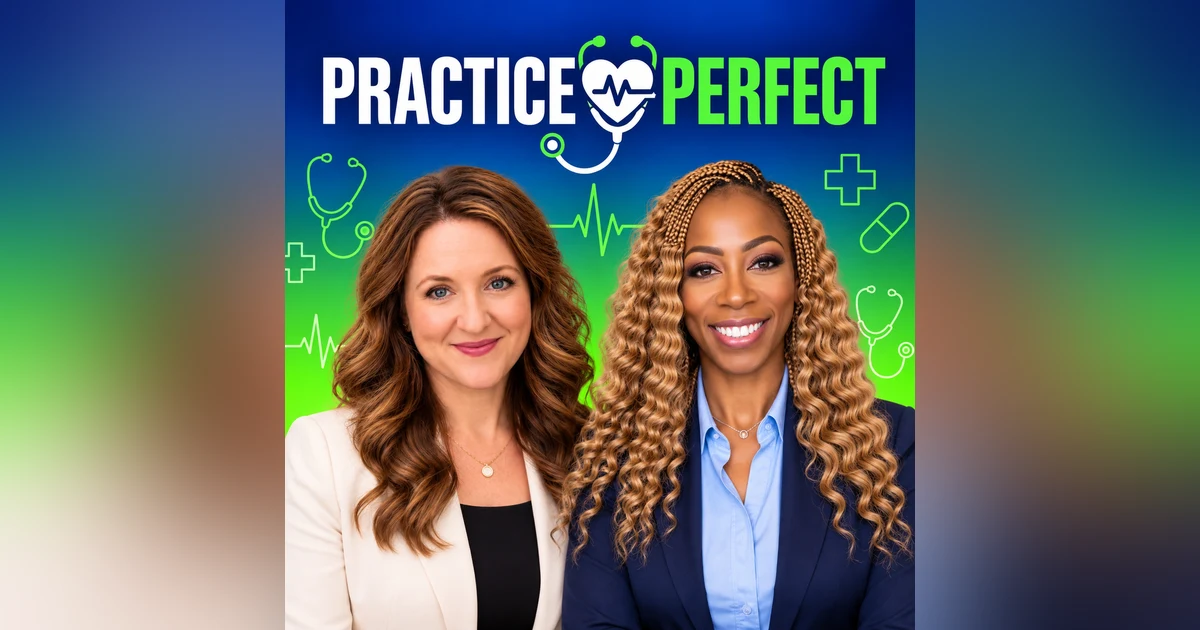
In this episode of Practice Perfect, Jennifer McNamara and Maya Turner get into the soft skills that can make or break your professional growth.
They discuss why organizational change can feel uncomfortable, why discomfort does not automatically mean a decision is wrong, and how employees and leaders can navigate change without allowing emotion to drive their decisions.
Jennifer and Maya also break down an important distinction: project management vs. micromanagement. Accountability, deadlines, checkpoints, and expectations are not necessarily micromanagement. The difference often comes down to trust.
The conversation also turns to professional communication and social media. You can disagree. You can raise concerns. You can challenge a decision. And when there are legitimate concerns involving compliance, fraud, harassment, safety, or unethical conduct, those concerns should be reported through the appropriate channels.
But disagreement does not require destroying someone else's dignity.
In this episode, Jennifer and Maya discuss:
• Adapting to organizational change without reacting emotionally
• Why soft skills matter at every level of your career
• Maintaining professional relationships even when you disagree
• Project management vs. micromanagement
• Trust, accountability, and expectations in the workplace
• Communicating concerns professionally
• Knowing the difference between a personality conflict and a legitimate compliance concern
• The AAPC Code of Ethics and professional conduct
• Why your social media presence matters professionally
• How online comments can follow you into future employment, leadership, and even expert witness work
• The importance of mentors when navigating difficult professional situations
One of the biggest takeaways from this conversation:
You can disagree with someone without attacking who they are.
Instead of, “This person clearly doesn't know how to code,” consider, “I disagree with this coding interpretation.”
Instead of, “They're a terrible leader,” consider, “I have concerns about this leadership decision.”
Professionalism doesn't mean never disagreeing. It means knowing how to disagree without losing your integrity in the process.
🎙️ Practice Perfect Podcast
Hosted by Jennifer McNamara with co-host Maya Turner
Practice Perfect brings real conversations about medical coding, compliance, leadership, revenue cycle, professional development, and the realities of working in healthcare.
Resources Mentioned:
AAPC Code of Ethics — Review AAPC's ethical principles, including integrity, respect, commitment, competence, fairness, and responsibility.
Learn more about Healthcare Inspired and our education programs at HealthcareInspiredLLC.com.